Isis’ Story: The Scariest Moment Of My Life With RU-486!

by Monty Patterson on April 28, 2013


"I feel that it is my obligation to tell my story for all the women out there that have been fooled that this so called “natural way of abortion” is in no way normal."

"As a matter of fact it was a freakish nightmare for me!"

INTRODUCTION: ISIS' STORY AND INTERVIEW

Tucked inside a historic downtown Brooklyn building, The Best Women's Medical Care (BWMC) clinic, also known by its website as "The Women's Choice", provides gynecological and abortion services. As a reproductive health care clinic for women, BWMC claims to educate, inform and provide clinical and emotional security for their valued patients.

On April 11, 2013, Isis, a 22-year-old college student from New York had an appointment with BWMC's staff  to obtain counseling and guidance, so she could make an informed health care decision, about terminating her early unplanned pregnancy.

The Women's Choice, BWMC, 81 Willoughby St, Brooklyn, New York

After receiving her sonogram, it was determined that Isis was 5 weeks and 4 days pregnant and prescribed an alternative/off-label regimen of mifepristone and misoprostol which has not been evaluated or approved by the Food and Drug Administration (FDA).

Isis received the mifepristone abortion pill (RU-486, Mifeprex) to take orally at the clinic. Mifepristone inhibits and blocks the essential reproductive hormone progesterone that plays a critical role for the initiation and maintenance of pregnancy.

Before leaving the clinic, she was briefly instructed to vaginally insert misoprostol that same evening, just before bedtime, to induce contractions to expel the embryo and placental tissues.

For Isis, her experience with the clinic's staff and the lack of information she had been given about the abortion pill procedure was a disappointing failure. She now hopes to warn other young women about her abortion pill experience which she describes as a “freakish nightmare.”

[click to continue…]

{ 0 comments }

Recognizing the Risks of Medical Abortion Bleeding Complications

by Monty Patterson on September 13, 2012

A Woman’s Abortion Pill Experience

 Women sometimes share their personal experiences as a way to empower other patients through  knowledge. This community can sometimes be found at a website or a group forum where a voice is given to a group of women known to suffer in silence as they relate to truly understand each other’s challenges.(1)

Some of the following statements are from one woman’s experience, as she describes her ordeal to others in a group forum, about her early pregnancy termination with the abortion pill.

“Almost a year ago I had a medical abortion. And not to scare you, but it was one of the worst experiences of my life.”(1)

[click to continue…]

{ 1 comment }


" The Australian Flag"

AUSTRALIA has reported its first medical abortion death of a woman who terminated her early pregnancy at home using the abortion pill otherwise known RU-486 or mifepristone.

Little is known about the details and circumstances surrounding her death including; her age, where she died, how many weeks she was pregnant, what type of medical abortion regimen was prescribed to her, or if the medical examiner tested her for a wide range of bacterial infections which includes the lethal Clostridium sordelli pathogen that has resulted in the majority of sepsis deaths in the U.S.

The country’s newspaper, The Australian, reported on March 19, 2012 that a woman died of sepsis “some days after” after she was prescribed an abortion pill regimen at one of Marie Stopes International Australia’s clinics back in 2010. (1) (2)

At that time, the Australian Therapeutic Goods Administration (TGA), Marie Stopes International Australia (MSIA), TGA Medical Officer Dr. Anthony Gill, and well known abortion advocate Professor Caroline De Costa commented on medical abortion issues including; patient care, procedures, and the first known death in Australia from the mifepristone abortion pill.

However, on March 31, journalist Angela Shanahan, for The Australian angrily responded with her opinion about the danger signals in response to the abortion drug death: (47)

Angela Shanahan: “Why did it take two years for her death to become public? RU486 was legalized after great public outcry… Did the authorities not think the medical profession and public might like to know about this?” (47)

Angela Shanahan: "RU-486 (mifepristone) was supposed to be of huge benefit to women. The abortion pill was meant to prevent the problems associated with surgical abortions, the emotional and physical trauma and the ghastly possible complications, and suitable for women in remote areas which, as this poor woman's death shows, it definitely is not." (47)

Obviously, the debate about the risks of medical abortion in Australia is far from over.

This article will also briefly discuss Clostridium sordellii toxic as as an emerging infection following medical abortion, the experimental status of mifepristone in Australia, Marie Stopes International regimens, unapproved regimens used by in the U.S., and the international record of known medical abortion deaths as a result of the prescribed use of mifepristone and misoprostol to terminate early pregnancy.

[click to continue…]

{ 1 comment }

The Confused Choice: Morning-after Pill or Abortion Pill?

by Monty Patterson on December 2, 2011

"Confused Woman"What is the difference between the Morning-after Pill and the Abortion Pill? 

The emergency contraceptive “Morning-after Pill” can prevent an unplanned pregnancy while the "Abortion Pill" can terminate an established early pregnancy.

The Morning-after Pill to Prevent Pregnancy

Emergency contraception pills (ECPs), also known as the “Morning-after Pill”, are used to help prevent a woman from getting pregnant after she has had sex without using birth control or if the birth control method failed. (1)

The term "Morning-after Pill," can be misleading because ECPs don't have to be taken the morning after. (1)

ECPs can reduce the chance of pregnancy when taken as directed up to 72 hours (3 days) after unprotected sex. Some kinds of ECPs can work up to 120 hours (5 days) later. (1)

In the United States, there are several kinds of FDA-approved emergency contraception pills (ECPs). The trade names of the ECPs or morning-after pills are Plan B One-Step, Next Choice and ella. (2) (3) (4)

[click to continue…]

{ 0 comments }

Are Alternative Medical Abortion Regimens Safe?

by Monty Patterson on October 21, 2011

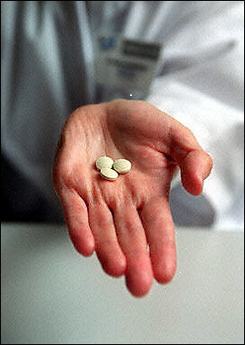
"Abortion Pills" The Associated Press reported on October 19, 2011 an Oklahoma judge had temporarily blocked from taking effect a new law that requires health care providers to follow the strict guidelines and protocols for medical abortion as it was approved by the U.S. Food and Drug Administration in 2000.

Attorney Michelle Mohaved of the New York-based Center for Reproductive Rights, which is representing the plaintiffs said she was "thrilled" by the ruling as a victory for abortion rights advocates.

However, this is not a victory for the women that are being misinformed of the actual risks of the combined use of the two medical abortion inducing drugs known as mifepristone (RU486) and misoprostol that was approved by the FDA to terminate early pregnancy up to 7 weeks gestation.

These drugs are dangerous and should be used only in strict accordance with FDA guidelines. [click to continue…]

{ 1 comment }

MIFEPRISTONE MEDICAL ABORTION: 11 YEARS LATER

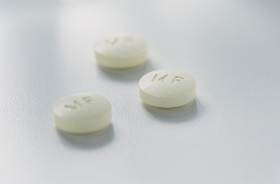
"Mifepristone (Mifeprex) Pills"Approved in the U.S. on September 28, 2000, the mifepristone Abortion Pill is claimed to have had an extraordinary journey by abortion providers. Supporters of medical abortion with mifepristone and misoprostol had hoped that it would provide a safe and non-surgical approach to rectify the inequities in abortion care.

Despite the drug’s controversies, while weaving its way through the abortion-related political hazards, medical abortion has made its impact on women. Particularly, the tragic consequences it has had on the lives of many women and their families.

Women are relying upon what they believe is factual information along with a supportive network of providers assuring them of the drug’s safety and effectiveness.

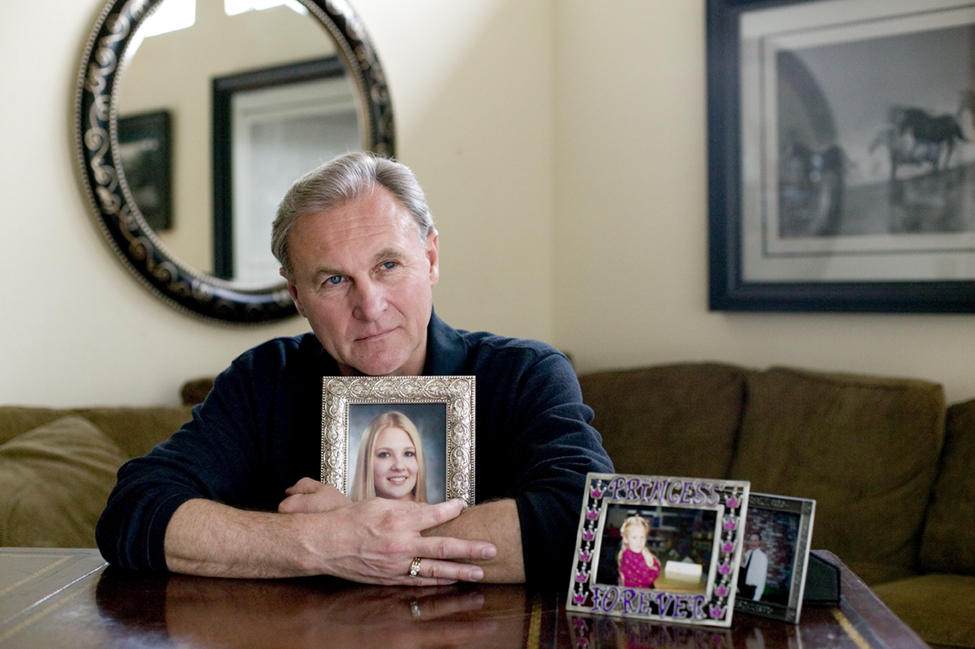
That wasn’t the case for Holly Patterson and many others like her who participated in their own medical abortion procedure. [click to continue…]

{ 20 comments }